


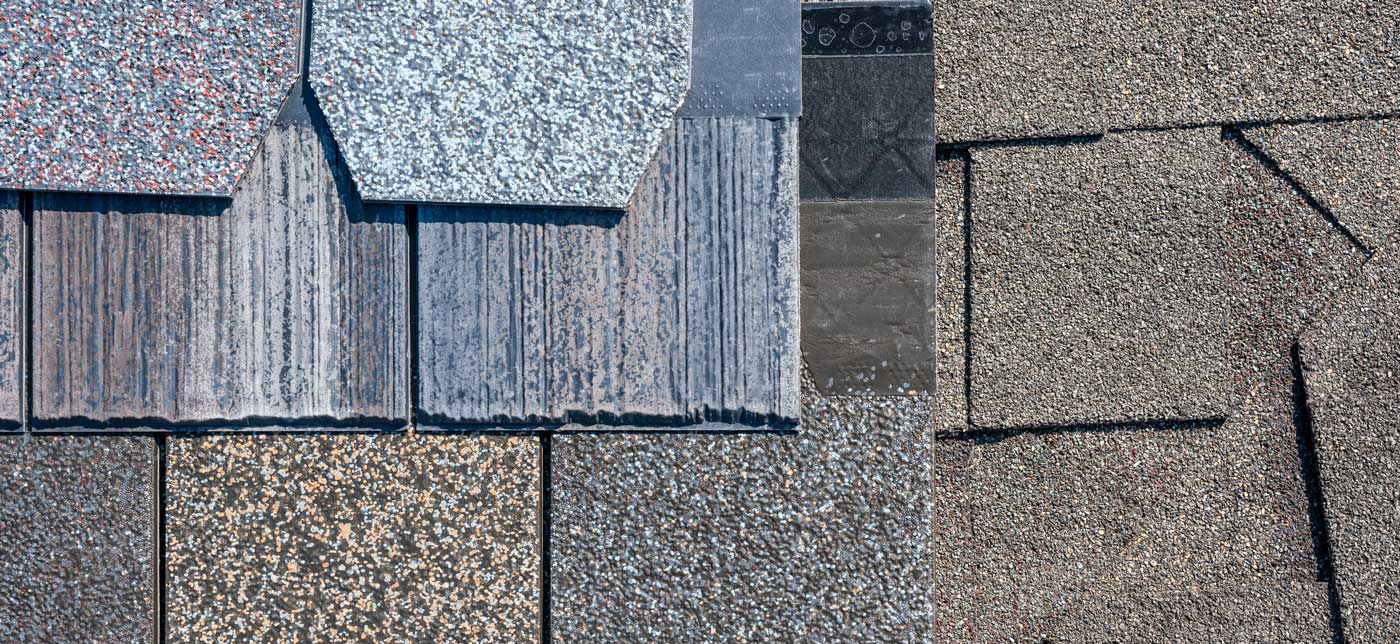
Choosing between asphalt shingles and tile roofing in Inglewood involves more than comparing appearance. Southern California sun, roof structure, installation cost, energy-code requirements, and the amount of time you expect to own the property can all affect which material makes sense.
Quick answer: Asphalt shingles generally offer the lower upfront cost and a lighter roof covering, making them a practical option for many Inglewood homes. Tile typically costs more to install and weighs considerably more, but it can provide a longer service life when the roof structure is suitable and the system is properly installed and maintained. Neither material is automatically better for every property.
What local homeowners should know
-
Asphalt shingles are generally less expensive to install than clay or concrete tile.
-
Tile is heavier, so an existing home may need structural evaluation before switching from a lighter roofing material.
-
Inglewood reroof projects can be subject to local permit, inspection, and cool-roof requirements.
-
Sun exposure and heat make roofing material, color, ventilation, and energy performance relevant considerations in Southern California.
-
Homes around Morningside Park, North Inglewood, Centinela Heights, and neighborhoods near SoFi Stadium can vary considerably in roof design and existing materials.
Why Does the Roofing Material Matter in Inglewood?
Roofing material matters in Inglewood because the roof must handle sustained Southern California sun while fitting the home’s structure, roof slope, budget, and applicable building requirements. A material that works well on one local property may be unnecessarily expensive or structurally inappropriate on another.
The region’s generally mild climate does not eliminate roof wear. UV exposure and repeated heating can age roofing materials, while seasonal rain makes flashing, underlayment, drainage, and installation quality especially important.
Local architecture also varies. A single-story home near Morningside Park may have very different roofing needs from a multifamily property closer to Downtown Inglewood or a house near the Los Angeles city boundary.
Wide Awake Roofing helps local property owners evaluate roofing options based on the actual roof rather than material preference alone. We look at factors such as the existing system, roof deck, slope, drainage details, and condition before determining which roofing approach is appropriate.
How Do Asphalt Shingles and Tile Compare on Cost and Lifespan?
Asphalt shingles usually have a lower initial installation cost, while properly installed tile roofing generally has the potential for a longer service life. Actual project cost and useful roof life vary significantly based on material grade, roof complexity, underlayment, workmanship, maintenance, and the condition of the structure below the roof.
Asphalt shingles are popular partly because they provide a relatively straightforward replacement option for many steep-slope residential roofs. Material and installation costs are typically more accessible than tile, and the lower weight can simplify replacement when a home already has shingles.
Concrete and clay tiles involve a larger initial investment. Tile installation is more labor intensive, and the roof structure needs to be suitable for the additional weight.
It is also important to distinguish tile life from the life of the entire roofing assembly. Even when individual tiles remain serviceable, components underneath them can eventually require attention.
What Do Local Roofing Records Show?
Recent City of Inglewood permit records show that both composition shingles and tile are used on local reroofing projects, confirming that homeowners are not limited to a single roofing material. The right choice still depends on the individual building rather than what is most common on another property.
City permit records from 2024 and 2025 include residential projects involving composition or asphalt shingles, tile, and other roof systems. They also show reroof projects involving sheathing replacement and cool-roof materials.
The City of Inglewood’s residential reroofing requirements ask for information including the roofing type, roof-covering classification, project area, existing roofing layers, sheathing, and roof slope. The city’s guidance also identifies Inglewood as Climate Zone 8 for its stated cool-roof requirements.
These details are a useful reminder that choosing a roof is not simply a color-and-price decision.
How Does Each Roofing Material Affect an Inglewood Home?
Asphalt shingles can reduce initial replacement expense and roof weight, while tile can provide a distinctive appearance and longer-term durability on a structure designed to support it. The impact on an Inglewood home depends heavily on the existing framing and roofing assembly.
For homeowners prioritizing a manageable initial investment, shingles can be attractive. They are available in different styles and colors, including products intended to meet applicable cool-roof specifications.
Tile may be appealing for owners planning around a longer ownership horizon or a particular architectural appearance. However, changing from shingles to tile should never be treated as a simple material swap because of the difference in weight.
What Warning Signs Mean Your Current Roof Needs Attention?
Roof damage should be evaluated when visible deterioration, leaks, displaced materials, or recurring moisture problems appear, regardless of whether the roof uses shingles or tile. Catching deterioration early can help determine whether localized repair remains practical.
Watch for:
-
Missing, lifted, cracked, or damaged shingles.
-
Broken, slipped, or visibly displaced roof tiles.
-
Water stains on ceilings or interior walls.
-
Damaged or deteriorated flashing around penetrations.
-
Debris collecting in valleys or interfering with drainage.
-
Visible deterioration around roof edges.
-
Recurring leaks after Southern California rain.
-
Areas of roof decking that appear damaged or compromised.
A roof should also be evaluated when its condition is uncertain before solar installation or other work that will affect roof access.
When Should You Call a Professional Roofer?
A professional roofing evaluation is appropriate when there are active leaks, widespread material deterioration, suspected decking damage, or plans to change roofing materials. Homeowners can safely observe a roof from the ground, but climbing onto tile or a damaged roof creates unnecessary risk.
Tile deserves particular caution because walking incorrectly on the surface can damage individual pieces. With either roofing system, moisture damage may also exist below a surface that looks relatively normal from the yard.
For an Inglewood reroof, permitting and inspections are another reason to plan the project carefully. The City’s Building Safety Division states that permits are required for building repairs and improvements, and permitted work must proceed through applicable inspections.
What Commonly Shortens Roof Life in the Inglewood Area?
Roof life in the Inglewood area can be shortened by sun exposure, installation deficiencies, drainage problems, neglected flashing, and deterioration of the supporting roofing components. Material quality matters, but the complete roofing system determines how effectively a roof performs.
1. Sun and heat exposure: Roof surfaces receive extensive direct sunlight in Southern California, which makes material selection and energy performance worth considering.
2. Water intrusion: A small flashing or underlayment problem can become noticeable when seasonal rain arrives.
3. Poor drainage: Valleys, gutters, and roof transitions need to move water away efficiently.
4. Aging underlayment: This is especially relevant with tile roofs because durable surface tiles do not mean every component beneath them lasts equally long.
5. Installation problems: Even a premium roofing product can perform poorly when flashing, fastening, ventilation, or other details are incorrect.
How Can Homeowners Extend the Life of Either Roof?
Homeowners can help extend roof life by monitoring drainage, addressing damaged roofing promptly, and arranging professional evaluation when changes appear. In Inglewood, checking the roof before the wetter part of the year can help identify problems before rainfall exposes them indoors.
From the ground, look for missing materials, visibly broken tiles, unusual roof lines, debris accumulation, and damaged edges. Keep gutters and drainage paths clear where they can be accessed safely.
Avoid pressure washing a roof or walking across tile without understanding how to move safely on the system. DIY work should also stop when repairs involve flashing, underlayment, decking, structural questions, or active leaks.
What Results Should You Expect From Roof Replacement?
A properly planned roof replacement should provide a complete roofing system suited to the building, rather than simply covering the home with new surface material. The scope can include removal, evaluation of sheathing, necessary repairs, underlayment, flashing, roofing material, and required inspections.
The City of Inglewood’s published reroof guidance calls for inspection after removal and sheathing repair and before roofing materials cover that work, followed by final inspection. Current inspection requests are handled through the City’s OpenGov process.
For homeowners, that makes the condition underneath the old roof an important part of planning both the budget and schedule.
What Mistakes Should Homeowners Avoid When Comparing Tile and Shingles?
The biggest mistake is choosing asphalt shingles or tile based only on purchase price or appearance instead of evaluating the entire roof system. Local homes can differ enough that the same material decision may produce very different project requirements.
Mistake: Comparing only upfront cost.
Consequence: A homeowner may overlook expected service life, maintenance, or structural work.
Better approach: Compare the complete installed system and long-term plans for the property.
Mistake: Assuming any house can switch to tile.
Consequence: Tile’s additional weight may create structural considerations.
Better approach: Have the roof and supporting structure evaluated before changing materials.
Mistake: Assuming long-lasting tile means nothing underneath will need service.
Consequence: Underlayment or flashing deterioration can be overlooked.
Better approach: Consider the roofing assembly as a complete system.
Mistake: Ignoring local requirements.
Consequence: Permitting, inspection, or material requirements can affect the project.
Better approach: Account for City of Inglewood requirements during planning.
What Is a Common Local Roofing Scenario?
A common local scenario is an older home with an aging shingle roof whose owner is considering tile while planning a full replacement. The decision should start with the existing structure and roof condition, not with a tile sample.
Suppose a homeowner near Centinela Avenue likes the appearance and potential longevity of tile. Before making the switch, the roof should be evaluated to determine whether its framing and decking are appropriate for the proposed system.
If structural changes or other added work make tile impractical for the homeowner’s goals, a quality asphalt shingle system may offer a more straightforward replacement path. This is an illustrative local scenario, not a Wide Awake Roofing project or case study.
Which Roofing Services Help With This Decision?
A roof inspection and replacement assessment can determine whether repair, asphalt shingle replacement, or a tile roofing system fits the property’s condition and project goals. The evaluation should identify existing deterioration and any issues that could affect the replacement scope.
We can discuss roofing options in the context of your home’s roof slope, existing materials, visible condition, and replacement objectives.
Asphalt Shingles vs. Tile: How Do the Options Compare?
Asphalt shingles generally make sense when lower upfront cost and lighter weight are priorities, while tile can make sense when longer-term material durability and tile aesthetics justify the additional installation and structural considerations. Neither choice should be made without looking at the existing roof.
| Factor | Asphalt Shingles | Tile Roofing |
|---|---|---|
| Initial cost | Generally lower | Generally higher |
| Weight | Lighter | Heavier |
| Installation | Typically less complex | More labor intensive |
| Structural considerations | Usually fewer when replacing existing shingles | Important because of added weight |
| Appearance | Broad range of styles and colors | Distinctive clay or concrete appearance |
| Repair considerations | Individual damaged areas may be repairable | Individual tiles may be replaceable, but underlying components also matter |
| Long-term planning | Practical for budget-conscious replacement | Can suit owners prioritizing longer material life |
Exact costs and service life should be based on the specific product, roof, and installation rather than a generic number.
Where Do We Provide Roofing Help?
We help property owners in Inglewood evaluate roofing needs and replacement options based on their individual buildings. That includes homes across areas such as North Inglewood, Morningside Park, Centinela Heights, and properties near Downtown Inglewood and SoFi Stadium.
For nearby communities, confirm service availability when requesting an appointment.
What Can Happen If an Aging Roof Is Ignored?
Ignoring an aging or leaking roof can allow a limited roofing problem to develop into damage involving sheathing, insulation, ceilings, or other parts of the building. Inglewood homeowners benefit from investigating recurring leaks and visible deterioration before another period of rain tests the roof.
Waiting can also make replacement planning more difficult if hidden deterioration expands the required repair scope. A professional assessment can clarify whether a problem is localized or whether broader replacement should be considered.
FAQ
Are asphalt shingles or tile better for Inglewood homes?
Neither material is universally better for Inglewood homes. Asphalt shingles usually offer a lower initial cost and lighter roofing system, while tile can offer longer-term durability when the structure is appropriate. Roof condition, framing, slope, budget, appearance, and local requirements should guide the choice.
Is tile roofing more expensive than asphalt shingles in Inglewood?
Tile roofing generally has a higher initial installed cost than asphalt shingles. Tile materials, labor, installation details, and possible structural considerations can increase the project scope. Exact pricing requires evaluation of the roof size, slope, access, existing materials, decking condition, and selected roofing product.
Does an Inglewood reroof require a permit?
Reroofing work in Inglewood is subject to the City’s building permit and inspection requirements. The City’s residential reroof guidance requires project information such as roofing type, area, existing layers, sheathing, and roof slope, while the Building Safety Division administers permits and inspections.
Can I replace asphalt shingles with tile?
Replacing asphalt shingles with tile may be possible, but the structure should first be evaluated for the heavier roofing system. Tile adds substantially different loading compared with shingles, so homeowners should not assume that an existing shingle roof can simply be removed and replaced with tile without further assessment.
Does Inglewood have cool-roof requirements?
Yes, applicable reroof projects can be subject to cool-roof requirements in Inglewood. The City’s published residential reroof guidance identifies Inglewood as Climate Zone 8 and specifies cool-roof criteria for qualifying roof replacements based on project area, building type, and roof slope.
Can individual broken tiles be repaired?
Individual broken or displaced tiles can sometimes be replaced without replacing the entire roof. However, repeated tile problems, leaks, or concerns about aging underlayment deserve a broader evaluation because the visible tiles are only one component of the complete roofing assembly.
Are asphalt shingles used on homes around Inglewood?
Yes, City of Inglewood permit records document residential reroof projects using composition and asphalt shingles. Local records also include tile and other roofing systems, reflecting the variety of roof designs found throughout the city rather than a single material being appropriate for every property.
Should I choose roofing based on lifespan alone?
No, lifespan should be considered alongside initial cost, structural suitability, maintenance, installation quality, and your plans for the property. A theoretically longer-lasting material is not necessarily the right investment if installing it requires substantial additional work or does not suit the home’s existing roof structure.
Choose a Roof That Fits Your Inglewood Home
The right roofing material should fit the property as well as the homeowner’s budget and long-term plans. We can help you understand the condition of your existing roof and compare practical replacement options without treating one material as the answer for every home.
Protect Your Inglewood Home With the Right Roofing System
Get a professional assessment of your roof condition and replacement options before committing to asphalt shingles or tile.